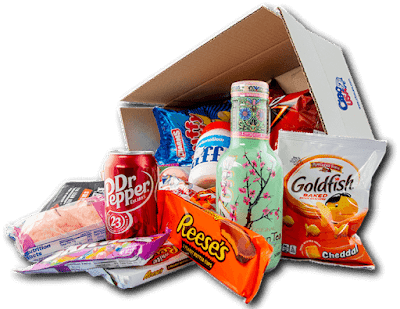
Many of the foods in the list are far from healthy. I know that. But that’s the thing about my life as a dual citizen, straddling two cultures. At a certain point, I get a little homesick for the other half of my roots. The issue arises when old favorites are unavailable or too expensive to have shipped. Life of course moves on, but those guilty pleasure cravings still pang at the gut.
Essentially, these foods were my connection to my American side, to my dad, and how the food that he ate also became my mother’s favorite guilty pleasure, a rarity on this side of the pond. They are an elastic band pulling me back, a bond with my past, my childhood, my parents. A time when I was not the adult. A delicious family attachment that is recreated with every mouthful.
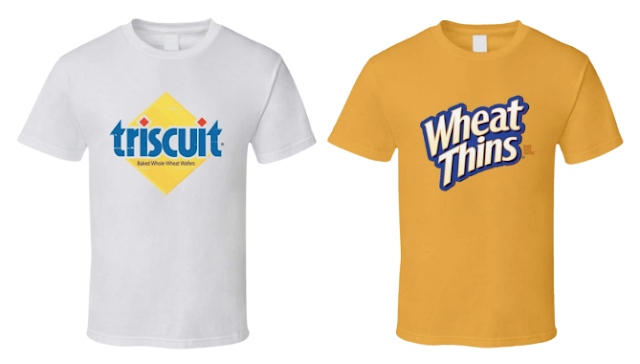
Triscuits & Wheat Thins
These are probably the snacks I miss the most. Both kinds are impossible to find in Italy. My family in California knows that as soon as I land, these are part of the "ASAP" foods I request. The irony is that if you search for the names of these two products on Italian online markets, you can buy T-shirts with the logos, but not the products themselves. Humph.
Clothbound Cheddar
Speaking of cracker snacks, the obvious segue is… cheese. Montebore, Fontina, Gorgonzola, Strachitunt, Mozzarella, Caciocavallo, Robiola. I can go on for days. Cheese is my joy (and part of the reason why I have to train three times a week). Sometimes I stray beyond the Alps for some serious Gruyère, Comté, Langres and Brie de Meaux. But there are moments when all I want is Cheddar. I’m not talking about the orange blocks of processed stuff. I mean the high-quality cheddar that is sadly not that easy to find in Italy. Clothbound cheddar… I dream of you. The solution is crossing the Channel with Cheese Journeys. More on that later.
Sour cream
Continuing in the dairy universe, why is it so hard to score good quality panna acida here in Italy? Is it just Rome? Gillian, help me!
Canned Buttermilk Biscuits
My erotic dream is peeling apart the warm, flaky layers of just-baked biscuit dough. The thing is, there is no refrigerated biscuit dough in Italy. Here, most don’t even know what southern style buttermilk biscuits are! As a matter of fact, even buttermilk is hard to score in the boot-shaped peninsula. Yes, I could be making these from scratch. But the joy of popping open the cardboard jar by hitting it on the side of the counter and slicing the biscuits, only to eat them a few short minutes later… is priceless.
Concord grape products
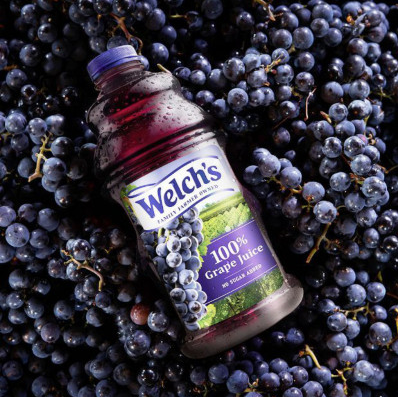
First of all I ask for a moment of silence for Welch's concord grape jelly, which has been sadly discontinued. Peanut butter and jelly sandwiches will never be the same again. Secondly, shall we mention the same brand of grape juice? The kind that leaves tongues purple and that personally hurls me straight back to summer day camp, circa 1979. Very hard to find in Italy.
English Muffins
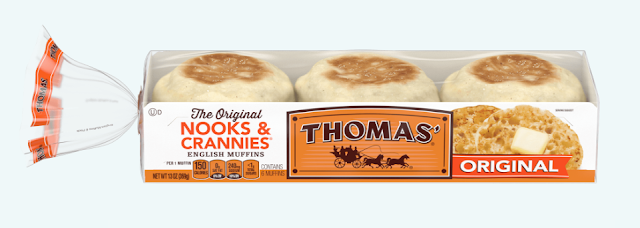
In the breakfast realm is also the coveted English muffin. Why, oh why can't we get English muffins in Italy?! I've tried making these from scratch at home. Unsuccessfully.
Tomato Aspic
If there is one American food item that I strikingly associate with my late (very Italian) mother, that's tomato aspic. She loved receiving bootleg cans smuggled back in pre-TSA rigidity times. She'd stick her tongue out to one side––like she always did when she was engaged in a craft or focused on a manual task––peel back the lid and jiggle the tin until the whole aspic would slowly slide out. Then she'd carefully slice it with her scalpel-like knife. She'd savor it plain, or sometimes along with Persian cucumber slices. She'd close her eyes as it melted in her mouth, and smile. What I'd give to see that smile again.
Doritos, period
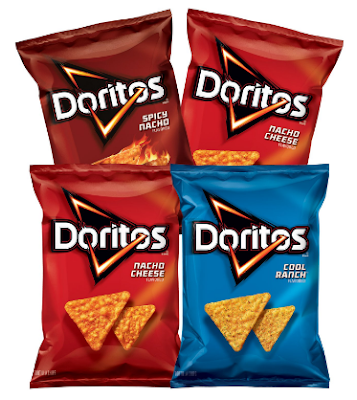
A survey found that Doritos are one of the most missed brands for US citizens living away from home. Although some Carrefour markets carry them in Italy, there is no wide choice. And definitely no Cool Ranch flavor. We grab the sparse Tex-Mex kind and huddle around the bag munching in silence. Only the occasional moan of pleasure.
American style breakfast sausage links
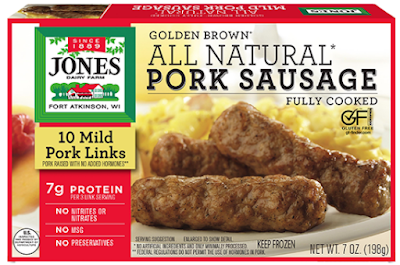
I'd be willing to do anything to get my hands on a pack of Jones' frozen breakfast sausages. The small, delicate pork breakfast sausages of my childhood. For me they were better than bacon. When the pool of maple syrup invaded their space on the plate and the slight smoked hickory notes mixed with the sweetness. Ah, bliss. Nope, can't get that kind of sausage here. And don't get me wrong, Italian style sausages are amazing, and perfect when fire-grilled and then sandwiched between two toasted slices of sourdough bread. But the American breakfast sausage triggers such sweet sensorial childhood memories.
Famous Sauce
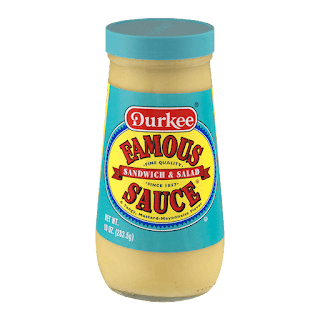
I'm a huge sandwich fan. There's at least one day a week in which mealtime is solely made up of sandwiches (unheard of among Italian mothers). I set out stations and we build them as we eat: BLT; roast turkey, dill pickles and mayo; prosciutto and mozzarella; egg & tuna salad; grilled cheese made with Gruyère… plus anything left over from a previous meal becomes excellent sandwich fixings. I like to keep my panini simple, but once I was introduced to Durkee Famous Sauce, no sandwich was ever the same.
Available online but too expensive
Some Stars and Stripes delicacies can be found online with local e-commerce sites, but you need a second mortgage to buy them. I tried to be sneaky and order them on Amazon US but the shipping costs stumped me. The following foods I truly cannot afford buying online.
Shredded Wheat breakfast cereal
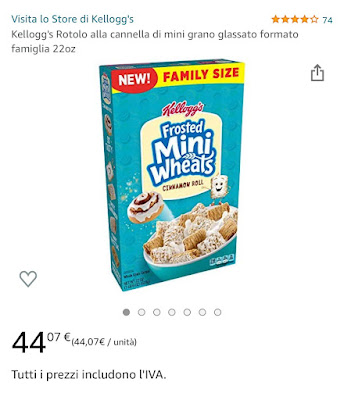
With the same mouthfeel as the first item on this list, the "woven" breakfast cereal is the stuff that cereal lovers' dreams are made of. But can you imagine paying €44 (about $50) for a 22 oz box of these frosted cinnamon minis? I can't.
Japanese Mayonnaise
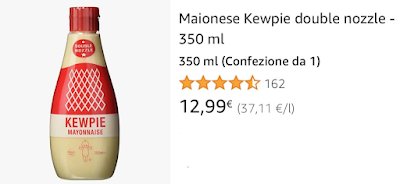
While Kewpie has become increasingly popular in the United States in recent years, Japanese kitchens have stocked this luscious condiment since 1925. Compared to your average mayo, it's not only smoother, richer, and more fun to use thanks to the double nozzle squeeze bottle, but it's also packed with so much more eggy umami flavor. Kewpie mayo is not sold in Italy. It can be found online, but the price is ridiculous. In the US a 500 gram tube goes for 6 bucks on Weee!, while on Amazon Italy a 350 gram squeeze bottle goes for 12,99 Euro (roughly $15).
Milk Bone dog treats
The sound of dogs munching on crunchy food makes my mouth water. It's a weird reflex. The ultimate ASMR. My dad used to feed Milk Bone treats to his two yellow Labs and I always secretly wanted to taste them. Now I'm past that stage, but I'd love to feed my own dog a taste and see if he likes them, while I zone out listening to the sound of his jaws breaking them down. Unfortunately they are not sold in pet stores here in Rome, and buying them online is cost prohibitive. I'd rather spend that cash on healthier dog treats.
Pretzel crisps
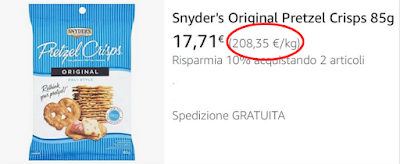
You know I love a good cheese plate. And these flattened pretzels are excellent with soft spreadable cheeses or even the more hefty hunks. I'd love to stock my minuscule pantry with these, but paying 18 Euro for an 85 gram bag? That's 208,35 Euro per kilo (2.2 lb). Nope, I'll wait.
Now you know what to bring me when you visit.
If you know where I can source these in Italy, by all means please share in the comments!